Economy Home Decor: Affordable Style and Smart Design for Every Home
Creating a beautiful and comfortable home doesn’t have to come with a high price tag. The concept of economy home decor focuses on achieving stylish, functional, and personalized interiors without overspending. In today’s world, where financial awareness and sustainability are increasingly important, homeowners and renters alike are turning to creative, budget-friendly ways to decorate their spaces. Economy home decor is not about compromising on quality or aesthetics—it’s about making smart choices, repurposing materials, and finding affordable alternatives that reflect individual taste. This approach encourages resourcefulness, blending modern design trends with cost-effective solutions to create homes that are both elegant and economical.
Understanding Economy Home Decor
Economy home decor is a design philosophy centered on affordability, creativity, and sustainability. It emphasizes using available resources wisely to create aesthetically pleasing spaces without unnecessary expenses. This approach often involves repurposing old furniture, shopping secondhand, and incorporating DIY projects to add a personal touch. The goal is to achieve a balance between cost and comfort, ensuring that every element in the home serves both a functional and decorative purpose. Economy home decor also aligns with eco-friendly living, as it encourages recycling, upcycling, and reducing waste. By focusing on thoughtful design rather than expensive materials, homeowners can create inviting spaces that reflect their personality and values.
The Principles of Economy Home Decor
The foundation of economy home decor lies in three key principles: creativity, functionality, and sustainability. Creativity allows individuals to think outside the box, transforming simple or inexpensive items into beautiful decor pieces. Functionality ensures that every item in the home serves a purpose, reducing clutter and maximizing space. Sustainability promotes the use of eco-conscious materials and practices, such as choosing energy-efficient lighting, natural fabrics, and recycled furniture. Together, these principles create a design approach that is both practical and visually appealing. Economy home decor proves that style is not determined by how much money is spent, but by how thoughtfully a space is designed.
Affordable Home Decor Ideas for Every Room
Living Room
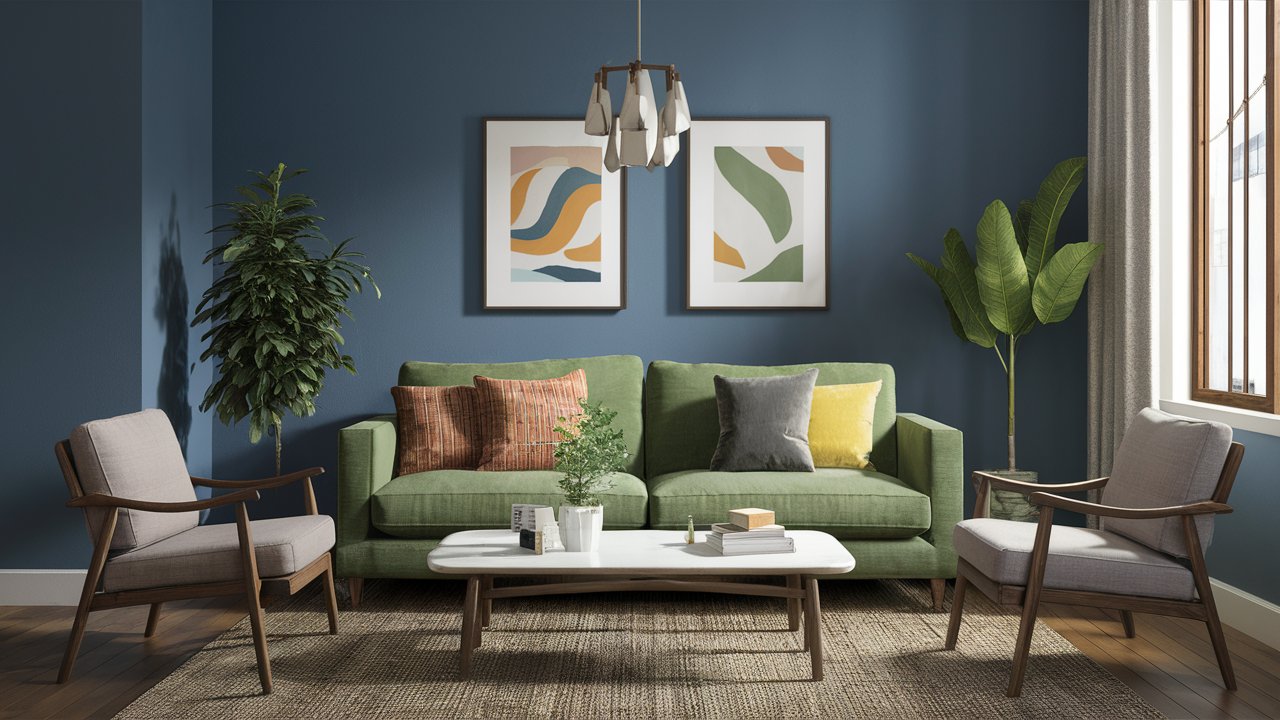
The living room is often the heart of the home, and it can be beautifully decorated on a budget. Start by rearranging furniture to create a fresh layout without spending a dime. Add inexpensive throw pillows, rugs, and curtains in complementary colors to bring warmth and texture. Thrift stores and online marketplaces are great sources for affordable furniture and decor. A simple coat of paint on an old coffee table or bookshelf can completely transform its look. Incorporating plants is another cost-effective way to add life and vibrancy to the space.
Bedroom
For the bedroom, focus on creating a cozy and relaxing atmosphere. Opt for neutral tones with pops of color through bedding or wall art. DIY headboards made from reclaimed wood or fabric panels can add a touch of elegance without high costs. Soft lighting, such as string lights or affordable bedside lamps, enhances the ambiance. Decluttering and organizing the space also contribute to a more peaceful environment, proving that simplicity often leads to beauty.
Kitchen
The kitchen can be updated economically with small but impactful changes. Repainting cabinets, replacing old handles, or adding peel-and-stick backsplash tiles can give the space a modern look. Open shelving made from inexpensive wood planks provides both storage and style. Decorative jars, plants, and colorful dishware can serve as both functional and aesthetic elements.
Bathroom
Transforming a bathroom doesn’t require a full renovation. Simple upgrades like new shower curtains, mirrors, or wall-mounted shelves can make a big difference. Using adhesive tiles or waterproof wallpaper can refresh the walls without the expense of traditional tiling. Adding scented candles or small plants creates a spa-like feel at minimal cost.
Outdoor Spaces
Even small balconies or patios can benefit from economy home decor. Use affordable outdoor rugs, string lights, and repurposed furniture to create a cozy retreat. Pallet wood can be turned into seating or tables, while potted plants add natural charm. The key is to make the space inviting and functional without overspending.
The Role of DIY in Economy Home Decor
Do-it-yourself projects are at the heart of economy home decor. DIY allows homeowners to personalize their spaces while saving money. From painting old furniture to crafting wall art, the possibilities are endless. Creating handmade decor not only reduces costs but also adds sentimental value to the home. Simple projects like making cushion covers, refurbishing thrifted items, or building shelves from reclaimed wood can dramatically enhance a room’s appearance. DIY also encourages sustainability by giving new life to old materials that might otherwise be discarded. The satisfaction of creating something unique and functional makes DIY an essential part of affordable home design.
Sustainable and Eco-Friendly Decorating
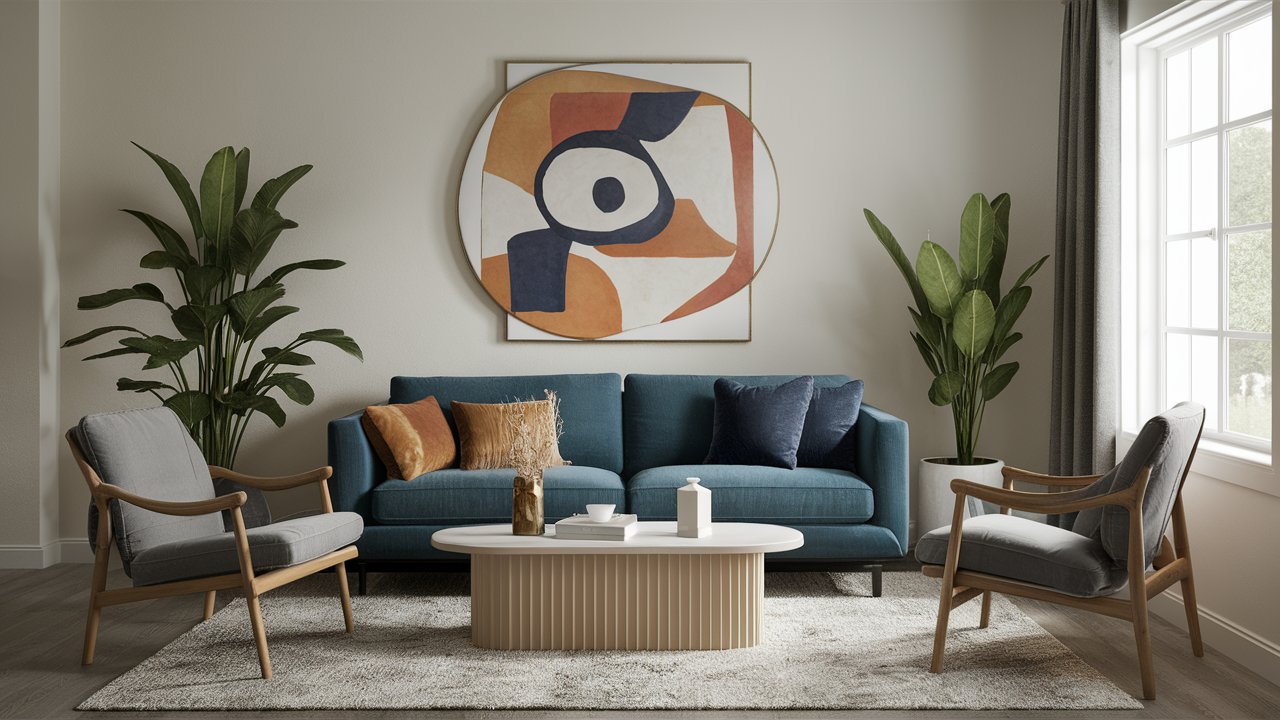
Sustainability is a growing trend in home decor, and it aligns perfectly with the principles of economy home decor. Choosing eco-friendly materials such as bamboo, jute, and recycled fabrics helps reduce environmental impact while maintaining style. Energy-efficient lighting, such as LED bulbs, lowers electricity costs and supports green living. Upcycling old furniture or using secondhand items reduces waste and promotes conscious consumption. Incorporating natural elements like plants, wood, and stone creates a calming and organic atmosphere. Sustainable decorating proves that it’s possible to achieve elegance and comfort while caring for the planet and staying within budget.
How to Shop Smart for Economy Home Decor
Shopping smart is essential for achieving stylish interiors on a budget. Start by setting a clear budget and prioritizing essential items. Look for sales, clearance sections, and online discounts to find quality pieces at lower prices. Thrift stores, flea markets, and online resale platforms often offer unique and affordable decor items. When shopping, focus on timeless designs that can adapt to changing trends. Mixing high-quality staples with inexpensive accessories creates a balanced and sophisticated look. Patience and creativity are key—great deals and beautiful finds often come to those who take the time to explore different options.
Conclusion
Economy home decor is about more than saving money—it’s about embracing creativity, sustainability, and thoughtful design. By focusing on affordable solutions, repurposing materials, and incorporating personal touches, anyone can create a home that feels stylish, comfortable, and uniquely their own. The beauty of economy home decor lies in its accessibility; it empowers people to transform their living spaces regardless of budget. With a little imagination and resourcefulness, even the simplest home can become a reflection of elegance and individuality. In a world where trends come and go, economy home decor stands as a timeless reminder that true style is not about expense, but about expression and intention.
Frequently Asked Questions (FAQ)
1. What is economy home decor?
Economy home decor is a design approach that focuses on creating stylish and functional spaces using affordable, sustainable, and creative methods.
2. How can I decorate my home on a budget?
You can decorate on a budget by repurposing old furniture, shopping secondhand, using DIY projects, and focusing on small but impactful changes like paint and lighting.
3. Is economy home decor the same as minimalist design?
Not exactly. While both emphasize simplicity, economy home decor focuses on affordability and resourcefulness, whereas minimalism centers on reducing clutter and visual distractions.
4. What are some easy DIY home decor ideas?
Simple DIY ideas include painting old furniture, creating wall art, making cushion covers, or building shelves from reclaimed wood.
5. How can I make my home look expensive on a budget?
Use neutral colors, add mirrors to create space, invest in a few quality pieces, and accessorize with affordable decor like plants, rugs, and lighting.