Soft Food Diet: Benefits, Foods to Eat, and Complete Guide for Better Digestion and Recovery
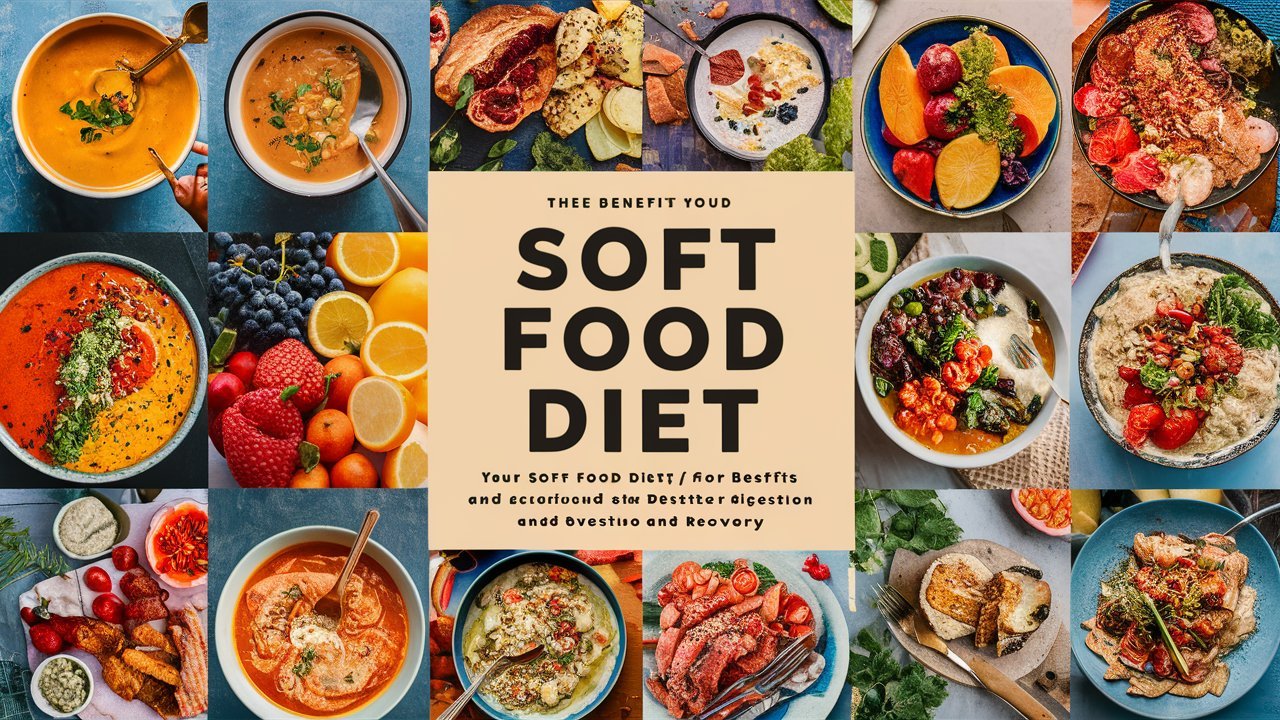
A soft food diet is a specially designed eating plan that includes foods that are easy to chew, swallow, and digest. It is often recommended for individuals recovering from surgery, dental procedures, or digestive issues. This diet focuses on providing essential nutrients while minimizing discomfort during eating. Soft foods are gentle on the mouth, throat, and stomach, making them ideal for people with chewing difficulties, sore throats, or gastrointestinal problems. Understanding what a soft food diet is, its benefits, and the best foods to include can help maintain proper nutrition and promote faster recovery.
1. What Is a Soft Food Diet?
A consists of foods that have a smooth, tender, or mashed texture, making them easy to chew and swallow. It is commonly prescribed for patients recovering from oral surgery, dental work, or gastrointestinal surgery. The goal of this diet is to reduce strain on the digestive system and prevent irritation to the mouth or throat. Foods in this diet are usually cooked until soft, pureed, or blended to achieve a smooth consistency. Examples include mashed potatoes, scrambled eggs, yogurt, soups, and smoothies. While the diet limits hard, crunchy, or spicy foods, it still provides a balanced intake of carbohydrates, proteins, fats, vitamins, and minerals.
2. Benefits of a Soft Food Diet
The offers several health benefits, especially for individuals with medical or dental conditions. One of the main advantages is that it allows the body to receive adequate nutrition without causing pain or discomfort. It helps prevent malnutrition and dehydration in people who have difficulty chewing or swallowing. Additionally, soft foods are easier to digest, which can reduce symptoms such as bloating, nausea, and acid reflux. For patients recovering from surgery, this diet supports healing by providing essential nutrients like protein and vitamins. It also minimizes the risk of choking or aspiration, making it a safe option for elderly individuals or those with swallowing disorders.
3. Foods to Include in a Soft Food Diet
A well-balanced includes a variety of nutrient-rich options from all food groups.
- Fruits and Vegetables: Soft fruits like bananas, peaches, and avocados are excellent choices. Cooked vegetables such as carrots, squash, and spinach can be mashed or pureed for easier consumption.
- Proteins: Soft proteins like scrambled eggs, tofu, tender fish, and ground meat provide essential amino acids for healing and muscle maintenance.
- Grains: Cooked cereals, oatmeal, soft rice, and pasta are gentle on the stomach and provide energy.
- Dairy Products: Yogurt, pudding, cottage cheese, and milkshakes are rich in calcium and protein while being easy to swallow.
- Soups and Broths: These are hydrating and soothing, especially for individuals with sore throats or digestive discomfort.
Including a variety of these foods ensures that the body receives all necessary nutrients while maintaining comfort during eating.
4. Foods to Avoid on a Soft Food Diet
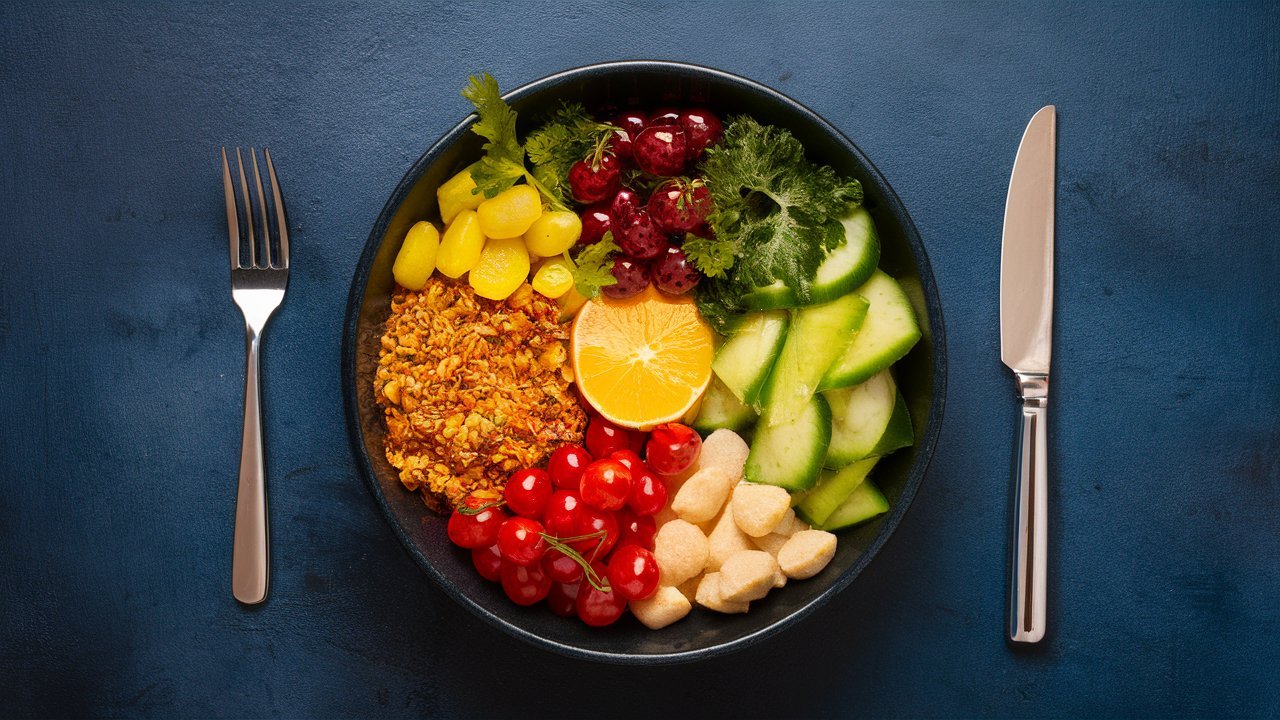
Certain foods should be avoided because they can cause irritation, pain, or difficulty swallowing. Hard, crunchy, or sticky foods such as nuts, raw vegetables, popcorn, and tough meats should be excluded. Spicy or acidic foods like citrus fruits, tomato sauces, and hot peppers can irritate sensitive tissues in the mouth or digestive tract. Carbonated beverages and alcohol should also be avoided as they may cause bloating or discomfort. Additionally, fibrous foods like celery or corn can be difficult to chew and digest. Avoiding these items helps prevent complications and ensures a smoother recovery process.
5. Tips for Following a Soft Food Diet Successfully
Adopting a requires careful planning to maintain nutritional balance and variety. Cooking methods such as steaming, boiling, or baking can help soften foods without losing nutrients. Blending or pureeing meals can make them easier to consume while maintaining flavor. It is also important to eat smaller, more frequent meals to aid digestion and prevent fatigue. Staying hydrated with water, milk, or clear soups supports overall health and recovery. For individuals on long-term soft food diets, consulting a dietitian can help ensure that all nutritional needs are met and that the diet remains enjoyable and sustainable.
Conclusion
A soft food diet is an essential part of recovery for individuals with chewing, swallowing, or digestive difficulties. It provides a gentle yet nutritious way to maintain health while minimizing discomfort. By including soft, nutrient-dense foods and avoiding hard or irritating items, this diet supports healing, improves digestion, and enhances overall well-being. Whether used temporarily after surgery or as a long-term dietary adjustment, the plays a vital role in promoting comfort and recovery. With proper planning and variety, it can be both nourishing and satisfying.
Frequently Asked Questions (FAQ)
1. Who should follow a soft food diet?
A soft food diet is recommended for individuals recovering from dental surgery, oral injuries, gastrointestinal surgery, or those with swallowing difficulties.
2. Can a soft food diet provide enough nutrition?
Yes, when properly planned, a can provide all essential nutrients by including a variety of soft fruits, vegetables, proteins, and grains.
3. How long should someone stay on a soft food diet?
The duration depends on the individual’s condition and recovery progress. It may last a few days to several weeks, as advised by a healthcare professional.
4. Are smoothies good for a soft food diet?
Yes, smoothies are excellent because they are easy to swallow, customizable, and can include fruits, vegetables, and protein sources like yogurt or milk.
5. Can a soft food diet help with digestive problems?
Yes, soft foods are easier to digest and can reduce symptoms like bloating, nausea, and acid reflux, making them beneficial for digestive health.