Hack Squat Machine: The Ultimate Guide to Building Stronger Legs and Glutes
The hack squat machine has become one of the most popular pieces of gym equipment for anyone serious about leg training. Known for its ability to target the quadriceps, glutes, and hamstrings with precision, this machine offers a safer and more controlled alternative to traditional barbell squats. Whether used by beginners or professional athletes, the hack squat machine provides a stable platform for developing lower body strength, improving muscle symmetry, and enhancing overall athletic performance.
What Is a Hack Squat Machine?
A hack squat machine is a specialized piece of gym equipment designed to simulate the squatting motion while providing back support and stability. It typically features a sled that moves along angled rails, allowing users to perform squats with controlled resistance. The user positions their shoulders under padded supports, places their feet on a platform, and pushes upward to extend the legs. This design minimizes strain on the lower back and helps isolate the leg muscles more effectively than free-weight squats. The is ideal for targeting the quadriceps while also engaging the glutes, hamstrings, and calves for a complete lower-body workout.
Benefits of Using a Hack Squat Machine
The extend far beyond muscle growth. One of the main advantages is the enhanced safety it provides. Unlike traditional squats, where balance and form can be challenging, the stabilizes the body, reducing the risk of injury. It also allows for deeper squats, which activate more muscle fibers and promote better muscle development. Additionally, the machine’s fixed path ensures consistent movement, making it easier to maintain proper form. This consistency helps prevent joint strain and encourages progressive overload, a key factor in building strength and size. For those recovering from injuries or with limited mobility, the offers a controlled environment to rebuild strength safely.
Hack Squat Machine vs. Traditional Squats
When comparing the hack squat machine vs. traditional squats, both exercises have unique advantages. Traditional squats engage more stabilizing muscles, improving balance and coordination, while hack squats isolate the lower body muscles more effectively. The reduces the need for core stabilization, allowing users to focus entirely on leg development. It also places less stress on the spine, making it a great option for individuals with back issues. However, traditional squats remain essential for functional strength and athletic performance. The best approach is to combine both exercises in a training program to maximize muscle growth, strength, and overall lower-body conditioning.
Muscles Worked by the Hack Squat Machine
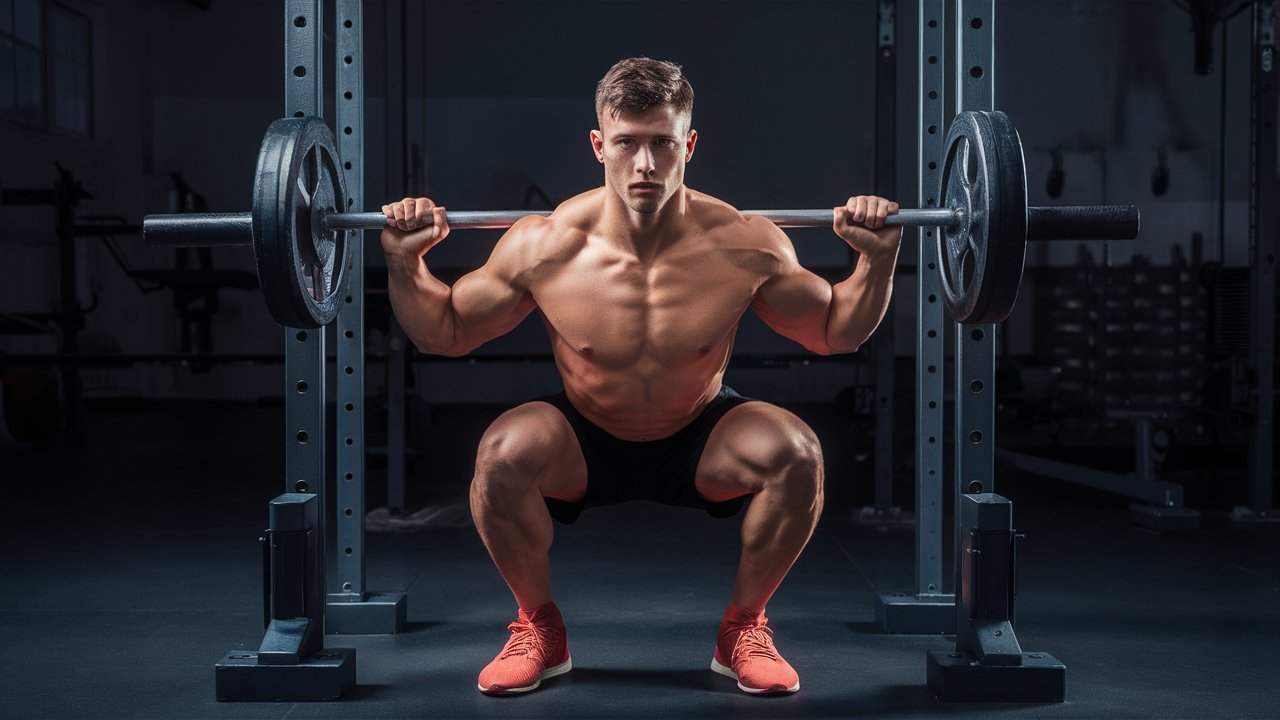
The muscles worked include the quadriceps, glutes, hamstrings, and calves. The primary focus is on the quadriceps, which are heavily engaged during the upward phase of the movement. The glutes and hamstrings assist in hip extension, while the calves stabilize the lower legs. Adjusting foot placement can shift emphasis between these muscle groups. For example, placing the feet higher on the platform targets the glutes and hamstrings more, while a lower foot position emphasizes the quadriceps. This versatility makes the an excellent tool for sculpting and strengthening the entire lower body.
How to Use a Hack Squat Machine Properly
Proper form is crucial when using a to prevent injury and maximize results. Begin by positioning the shoulders under the pads and placing the feet shoulder-width apart on the platform. Keep the back pressed firmly against the backrest and the core engaged. Slowly lower the sled by bending the knees until the thighs are parallel to the platform or slightly below. Push through the heels to return to the starting position, avoiding locking the knees at the top. Breathing control is also important—inhale while lowering and exhale while pushing upward. Maintaining a controlled tempo ensures muscle tension throughout the movement, leading to better strength and hypertrophy gains.
Common Mistakes to Avoid on the Hack Squat Machine
Many gym-goers make errors that reduce the effectiveness. One common mistake is placing the feet too low on the platform, which can strain the knees. Another is using excessive weight, leading to poor form and limited range of motion. Some users also fail to keep their back flat against the pad, which can cause lower back discomfort. To avoid these issues, focus on proper alignment, moderate weight, and full range of motion. Controlled, deliberate movements are far more beneficial than heavy, rushed repetitions. Consistency and correct technique are key to achieving long-term results.
Choosing the Right Hack Squat Machine
Selecting the right depends on individual goals, available space, and budget. Commercial gyms often feature plate-loaded machines that allow for adjustable resistance, while home gyms may benefit from compact, multi-functional models. Look for machines with sturdy construction, comfortable padding, and smooth motion along the rails. Adjustable foot platforms and safety stops are also valuable features that enhance comfort and security. Investing in a high-quality ensures durability and a better training experience, making it a worthwhile addition to any fitness setup.
Incorporating the Hack Squat Machine into a Workout Routine
Integrating the into a workout routine can significantly improve leg strength and muscle definition. It can be used as a primary compound movement or as an accessory exercise after traditional squats or leg presses. For muscle growth, aim for 3–4 sets of 8–12 repetitions with moderate to heavy weight. For endurance and toning, perform higher repetitions with lighter resistance. Pairing hack squats with exercises like lunges, leg extensions, and Romanian deadlifts creates a balanced lower-body workout that targets all major muscle groups. Consistent training, combined with proper nutrition and recovery, will yield noticeable improvements in strength and physique.
Conclusion
The hack squat machine is a powerful tool for anyone looking to build stronger, more defined legs while minimizing the risk of injury. Its design allows for controlled, effective movements that isolate key muscle groups and promote balanced development. Whether used by beginners or advanced lifters, the offers versatility, safety, and efficiency in one piece of equipment. By mastering proper form, avoiding common mistakes, and incorporating it strategically into a workout routine, it’s possible to achieve exceptional lower-body strength and aesthetics.
Frequently Asked Questions
1. What muscles does the hack squat machine work?
The hack squat machine primarily targets the quadriceps, glutes, hamstrings, and calves, providing a complete lower-body workout.
2. Is the hack squat machine better than traditional squats?
Both exercises have benefits. The hack squat machine isolates leg muscles and reduces back strain, while traditional squats improve balance and functional strength.
3. Can beginners use the hack squat machine?
Yes, beginners can safely use the as it provides stability and support, making it easier to learn proper squat mechanics.
4. How often should hack squats be done?
Hack squats can be performed 1–2 times per week, depending on overall training goals and recovery capacity.
5. What is the correct foot placement on a hack squat machine?
Feet should be shoulder-width apart, with toes slightly pointed outward. Adjusting foot position can shift emphasis between quadriceps and glutes.
6. Is the hack squat machine safe for people with back problems?
Yes, the supports the back and reduces spinal load, making it a safer alternative for individuals with back issues.
7. Can the hack squat machine help build muscle mass?
Absolutely. When used with proper form and progressive overload, the is highly effective for building muscle mass and strength in the lower body.