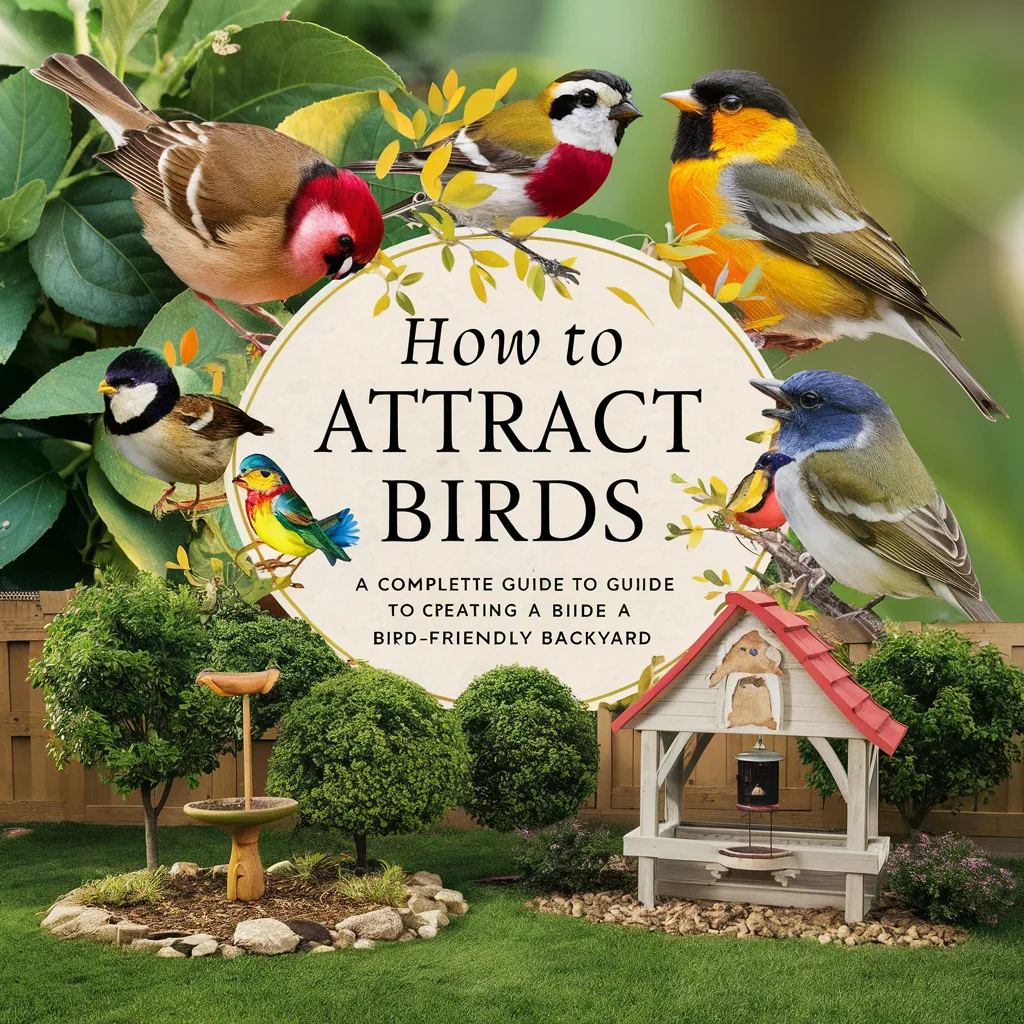
How to Attract Birds: A Complete Guide to Creating a Bird-Friendly Backyard
Attracting birds to a garden or backyard is one of the most rewarding ways to connect with nature. The sight and sound of birds bring life, color, and tranquility to any outdoor space. Whether it’s the cheerful chirping of sparrows, the vibrant colors of cardinals, or the graceful flight of hummingbirds, birds add beauty and balance to the environment. Learning how to attract birds is not just about placing a feeder it’s about creating a welcoming habitat that provides food, water, shelter, and safety. This comprehensive guide explores the best ways to attract birds naturally, the types of food and plants they love, and how to maintain a bird-friendly environment all year round.
Understanding What Birds Need
Before learning how to attract birds, it’s important to understand what they need to survive and thrive. Birds are drawn to environments that provide the essentials: food, water, shelter, and safety. Each species has unique preferences, but all birds seek reliable sources of nourishment and protection. By replicating these natural conditions in a backyard or garden, it becomes possible to create a sanctuary that appeals to a wide variety of birds.
Food is the most obvious attraction, but it’s not the only one. Birds also need clean water for drinking and bathing, as well as trees, shrubs, and nesting boxes for shelter. A safe environment free from predators and harmful chemicals is equally important. When these elements are combined, birds will not only visit but also return regularly, turning any outdoor space into a lively bird haven.
Providing the Right Food for Birds
Food is the foundation of any bird-attracting strategy. Different species prefer different types of food, so offering a variety ensures that multiple kinds of birds will visit. Seeds are the most common choice, with black oil sunflower seeds being a favorite among many species such as finches, cardinals, and chickadees. Nyjer seeds attract goldfinches, while millet appeals to sparrows and doves.
For insect-eating birds like robins and bluebirds, mealworms are an excellent option. Suet, which is a high-energy fat-based food, is ideal for woodpeckers and nuthatches, especially during winter when insects are scarce. Fruit pieces such as oranges, apples, and berries can attract orioles and tanagers.
It’s also important to use the right type of feeder. Tube feeders are great for small birds, platform feeders attract ground-feeding species, and suet cages are perfect for clinging birds. Keeping feeders clean and refilled ensures that birds continue to visit regularly.
Offering Fresh Water Sources
Water is just as essential as food when it comes to attracting birds. Birds need water not only for drinking but also for bathing, which helps them keep their feathers clean and healthy. A simple birdbath can make a big difference. It should be shallow, ideally no more than two inches deep, with gently sloping sides to allow birds to wade in safely.
To make the water more appealing, consider adding movement. Birds are naturally drawn to the sound and sight of moving water, so a small fountain, dripper, or bubbler can attract even more visitors. The water should be changed frequently to prevent algae growth and mosquito breeding. In colder climates, using a heated birdbath ensures that birds have access to water even during winter.
Creating Shelter and Nesting Spaces
Shelter is another key factor in attracting birds. Trees, shrubs, and dense vegetation provide protection from predators and harsh weather. Native plants are especially beneficial because they offer natural food sources such as berries, seeds, and insects. Evergreen trees like pine and spruce provide year-round cover, while deciduous trees and flowering shrubs attract insects and provide nesting materials.
Installing birdhouses or nesting boxes can also encourage birds to stay and raise their young. Each species has specific preferences for the size and placement of nesting boxes. For example, bluebirds prefer open areas, while wrens and chickadees like boxes placed near shrubs or trees. Make sure the boxes are cleaned out after each breeding season to prepare for new occupants.
Planting Native Vegetation
Native plants are one of the most effective ways to attract birds naturally. They are adapted to the local climate and soil, making them easier to maintain while providing food and shelter for native bird species. Plants that produce seeds, berries, or nectar are especially valuable.
For seed-eating birds, consider planting sunflowers, coneflowers, and grasses. Berry-producing shrubs like holly, dogwood, and serviceberry attract thrushes, robins, and waxwings. Hummingbirds are drawn to nectar-rich flowers such as trumpet vine, bee balm, and salvia. By planting a mix of trees, shrubs, and flowers that bloom at different times of the year, it’s possible to provide a continuous food supply for birds throughout all seasons.
Ensuring Safety and a Healthy Environment
A safe environment is crucial for attracting and keeping birds. Avoid using pesticides and chemical fertilizers, as these can harm both birds and the insects they feed on. Instead, opt for organic gardening methods that promote a balanced ecosystem.
Cats are one of the biggest threats to backyard birds, so it’s best to keep them indoors or use deterrents to prevent them from hunting near feeders and nesting areas. Placing feeders near shrubs or trees gives birds quick escape routes from predators. Additionally, keeping windows visible with decals or screens can prevent birds from flying into them.
Maintaining Your Bird-Friendly Space
Consistency is key when it comes to attracting birds. Once birds discover a reliable source of food and water, they will return regularly. However, if feeders are left empty or water sources become dirty, they may stop visiting. Regular maintenance ensures that the environment remains safe and inviting.
Clean feeders and birdbaths weekly to prevent the spread of disease. Trim overgrown plants to maintain visibility and airflow, but avoid heavy pruning during nesting season. Observing the birds that visit can also help identify which species are most common in the area, allowing adjustments to food and habitat to attract even more diversity.
Conclusion
Learning how to attract birds is about more than just feeding them it’s about creating a balanced ecosystem that supports their needs year-round. By providing food, water, shelter, and safety, anyone can transform their backyard into a thriving bird sanctuary. The rewards go beyond the beauty of seeing colorful birds; it’s about fostering a deeper connection with nature and contributing to the preservation of local wildlife. With patience, care, and consistency, a bird-friendly space can become a peaceful retreat filled with song, color, and life.
FAQs
1. What is the best food to attract birds?
Black oil sunflower seeds are the most popular choice because they attract a wide variety of birds. Other good options include nyjer seeds, suet, mealworms, and fruit.
2. How can I attract hummingbirds specifically?
Hummingbirds are attracted to bright red or orange flowers that produce nectar, such as trumpet vine, bee balm, and salvia. You can also use a hummingbird feeder filled with a sugar-water solution.
3. How do I keep cats away from my bird feeders?
Place feeders on tall poles or hang them from branches away from areas where cats can climb. Using baffles or motion-activated sprinklers can also deter cats.
4. How often should I clean bird feeders and baths?
Feeders and birdbaths should be cleaned at least once a week with warm, soapy water to prevent mold and disease. Rinse thoroughly before refilling.
5. What plants attract the most birds?
Native plants such as sunflowers, coneflowers, holly, dogwood, and serviceberry attract a variety of birds by providing seeds, berries, and insects.
6. Why aren’t birds coming to my feeder?
It may take time for birds to discover a new feeder. Ensure it’s placed in a quiet, safe location with fresh food and clean water. Avoid using spoiled or moldy seeds.