Tech Giants Envision Future Beyond Smartphones: The Next Era of Digital Innovation
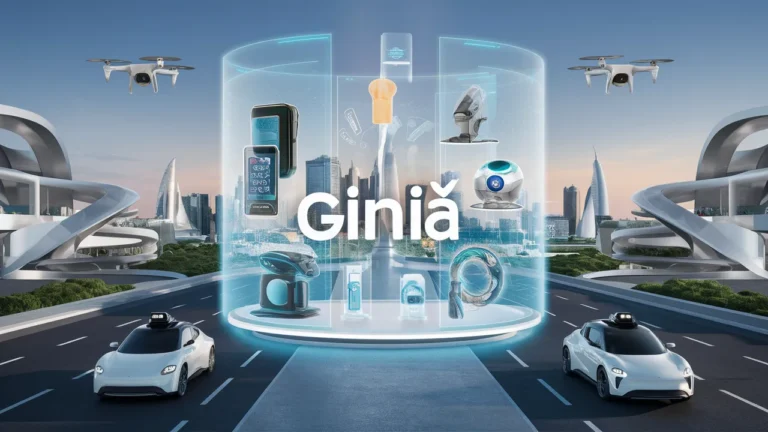
For over a decade, tech giants envision future beyond smartphones have dominated the technology landscape, shaping how people communicate, work, and live. However, as innovation accelerates and consumer expectations evolve, tech giants envision a future beyond smartphones—a world where digital experiences are more immersive, intelligent, and seamlessly integrated into daily life. Companies like Apple, Google, Meta, Microsoft, and Samsung are investing heavily in emerging technologies such as augmented reality (AR), virtual reality (VR), artificial intelligence (AI), and wearable devices. These innovations aim to redefine human interaction with technology, moving away from handheld screens toward more natural, intuitive, and interconnected experiences. This article explores how major technology companies are shaping the post-smartphone era, the technologies driving this transformation, and what the future of digital life might look like.
The End of the Smartphone Era?
Smartphones have been the centerpiece of modern technology since the launch of the first iPhone in 2007. They revolutionized communication, entertainment, and commerce, becoming indispensable tools for billions of people worldwide. However, as the market matures and innovation slows, tech companies are looking for the next big leap. The smartphone’s rectangular screen, while powerful, limits interaction to touch and sight. The future envisioned by tech giants aims to transcend these boundaries, creating devices and ecosystems that blend seamlessly into human life. This shift is not about replacing smartphones overnight but about expanding the digital experience into new dimensions—where technology becomes more ambient, adaptive, and invisible.
Apple’s Vision: Augmented Reality and Wearable Ecosystems
Apple has long been at the forefront of technological transformation, and its focus on augmented reality (AR) and wearables signals its vision for a future beyond smartphones. The company’s ARKit platform and the introduction of the Apple Vision Pro headset mark a significant step toward immersive computing. Apple envisions a world where digital content coexists with the physical environment, allowing users to interact with information naturally through gestures, voice, and eye movement. The integration of devices like the Apple Watch, AirPods, and Vision Pro creates a connected ecosystem that reduces reliance on the iPhone as the central hub. In Apple’s future, technology becomes an extension of the human experience—intuitive, immersive, and seamlessly integrated into everyday life.
Google’s Approach: AI, Ambient Computing, and Smart Environments
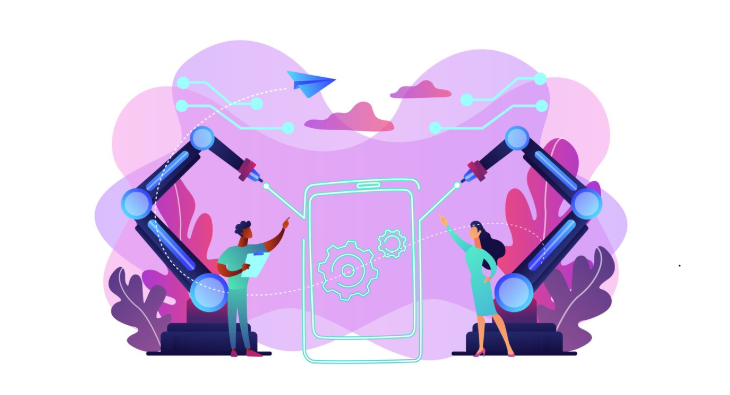
Google’s strategy for a world beyond tech giants envision future beyond smartphones revolves around artificial intelligence (AI) and ambient computing—the idea that technology should work quietly in the background, anticipating needs and simplifying tasks. Through products like Google Assistant, Nest smart home devices, and Pixel wearables, Google is building an ecosystem where users interact with technology through voice, context, and automation rather than screens. The company’s advancements in AI-driven search, language models, and predictive algorithms are paving the way for a more personalized and proactive digital experience. Google envisions a future where devices fade into the background, and the focus shifts to intelligent systems that understand and respond to human behavior effortlessly.
Meta’s Bet on the Metaverse
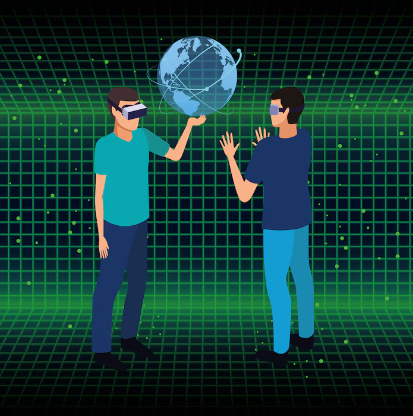
Meta (formerly Facebook) is investing billions in building the metaverse, a virtual universe where people can work, socialize, and play in immersive digital environments. Through its Oculus VR headsets and Horizon Worlds platform, Meta aims to create a new form of digital interaction that transcends physical boundaries. The company believes that the metaverse will eventually replace smartphones as the primary interface for communication and entertainment. Users will no longer be confined to small screens but will instead experience a fully interactive 3D world. While the concept is still in its early stages, Meta’s vision highlights the growing importance of virtual and augmented reality in shaping the future of human connection.
Microsoft’s Focus on Mixed Reality and Enterprise Innovation
Microsoft’s vision for the post-smartphone era centers on mixed reality and enterprise solutions. With products like HoloLens and its Azure cloud platform, Microsoft is bridging the gap between the physical and digital worlds. The company’s focus is on practical applications of immersive technology in fields such as healthcare, education, and manufacturing. By combining AI, cloud computing, and holographic interfaces, Microsoft aims to empower professionals to collaborate and innovate in entirely new ways. The company’s approach emphasizes productivity and real-world utility, positioning mixed reality as a transformative tool for both businesses and consumers.
Samsung and the Evolution of Wearable and Foldable Technology
Samsung continues to push the boundaries of hardware innovation with its advancements in wearable devices and foldable smartphones. The company envisions a future where flexible displays, smart glasses, and interconnected devices redefine mobility and convenience. Samsung’s Galaxy ecosystem, which includes smartwatches, earbuds, and foldable phones, represents a transitional phase toward more adaptive and versatile technology. The company’s research into AR glasses and health-focused wearables suggests that the next generation of devices will prioritize personalization, wellness, and seamless connectivity. Samsung’s vision aligns with the broader industry trend of moving beyond traditional smartphones toward more integrated and multifunctional experiences.

The Role of Artificial Intelligence in the Post-Smartphone Future
At the heart of the shift beyond smartphones lies artificial intelligence. AI is the driving force behind personalization, automation, and contextual awareness in next-generation devices. From voice assistants that understand natural language to predictive algorithms that anticipate user needs, AI enables technology to become more human-centric. In the future envisioned by tech giants, AI will serve as the invisible layer connecting all devices and services, creating a unified digital ecosystem. This evolution will allow users to interact with technology effortlessly—through voice, gestures, or even thought—eliminating the need for constant screen engagement.
Challenges and Ethical Considerations
While the vision of a world beyond tech giants envision future beyond smartphones is exciting, it also raises important challenges and ethical questions. Issues such as data privacy, digital addiction, and accessibility must be addressed to ensure that emerging technologies benefit everyone. The integration of AI and immersive devices increases the potential for surveillance and data misuse, making transparency and regulation essential. Additionally, the cost of advanced technologies like AR headsets and smart wearables may limit accessibility for some users. Tech giants must balance innovation with responsibility, ensuring that the future of technology is inclusive, secure, and sustainable.
Conclusion
The idea that tech giants envision a future beyond smartphones marks the beginning of a new technological era—one defined by intelligence, immersion, and interconnectedness. As companies like Apple, Google, Meta, Microsoft, and Samsung pioneer advancements in AR, AI, and wearable technology, the boundaries between the digital and physical worlds continue to blur. The smartphone will remain an important tool for years to come, but its dominance is gradually giving way to a more integrated and intuitive digital ecosystem. The future of technology lies not in the devices we hold, but in the experiences we create—where innovation enhances human potential and transforms the way we live, work, and connect.
Frequently Asked Questions (FAQ)
1. What does “tech giants envision future beyond smartphones” mean?
It refers to major technology companies developing new devices and platforms that go beyond traditional smartphones, focusing on immersive, AI-driven, and wearable technologies.
2. Which companies are leading the move beyond smartphones?
Apple, Google, Meta, Microsoft, and Samsung are among the leading companies investing in technologies like AR, VR, AI, and wearables.
3. What technologies will replace smartphones in the future?
Augmented reality glasses, virtual reality headsets, wearable devices, and AI-powered assistants are expected to play major roles in the post-smartphone era.
4. Will smartphones disappear completely?
Not immediately. Smartphones will continue to evolve and coexist with new technologies, but their central role in daily life may diminish over time.
5. How is Apple contributing to the future beyond smartphones?
Apple is focusing on augmented reality and wearable ecosystems, with products like the Apple Vision Pro and Apple Watch leading its innovation strategy.
6. What is Google’s vision for the future of technology?
Google aims to create an ambient computing environment powered by AI, where technology operates seamlessly in the background to simplify daily life.
7. What is the metaverse, and how does Meta fit into it?
The metaverse is a virtual world where users can interact in immersive 3D environments. Meta is developing this concept through its VR platforms and Horizon Worlds.