The Complete Guide to Asbestlint: Meaning, Risks, Removal, and Safety Measures
The term asbestlint refers to the fine, fibrous dust or particles that are released when asbestos-containing materials are disturbed, damaged, or deteriorate over time. Asbestos was once widely used in construction, insulation, and manufacturing due to its heat resistance and durability. However, the discovery of its severe health risks has made it one of the most hazardous materials in modern history. Asbestlint, though often invisible to the naked eye, poses a serious threat to human health when inhaled, leading to diseases such as asbestosis, lung cancer, and mesothelioma. This comprehensive guide explores what asbestlint is, where it can be found, how to identify it, and the safest ways to manage or remove it.
1. What Is Asbestlint?
Asbestlint is the airborne dust or microscopic fibers that result from the breakdown or disturbance of asbestos materials. These fibers are extremely small—often hundreds of times thinner than a human hair—and can remain suspended in the air for long periods. When inhaled, they can lodge deep within the lungs, causing inflammation and scarring over time. Asbestlint is most commonly released during renovation, demolition, or improper handling of asbestos-containing products such as insulation, ceiling tiles, cement sheets, and floor tiles. Because of its invisible nature, many people are unaware of exposure until health problems appear years later. Understanding what asbestlint is and how it spreads is the first step toward preventing exposure.
2. The History and Use of Asbestos
To understand asbestlint, it’s important to look at the history of asbestos itself. Asbestos was once considered a “miracle mineral” due to its resistance to heat, fire, and corrosion. It was widely used throughout the 20th century in construction materials, shipbuilding, automotive parts, and household products. However, by the 1970s, medical research revealed the devastating health effects of asbestos exposure. Despite bans and regulations in many countries, asbestos still exists in older buildings and industrial sites. As these materials age, they can release asbestlint into the air, posing ongoing risks to workers, homeowners, and the general public.
3. Health Risks Associated with Asbestlint
Exposure to asbestlint is extremely dangerous because the fibers can become permanently trapped in the lungs and other organs. Over time, this can lead to serious and often fatal diseases. Asbestosis is a chronic lung condition caused by scarring of lung tissue, leading to shortness of breath and reduced lung function. Mesothelioma, a rare and aggressive cancer, affects the lining of the lungs or abdomen and is almost exclusively linked to asbestos exposure. Lung cancer is another major risk, especially for individuals who smoke and have been exposed to asbestlint. Symptoms of asbestos-related diseases often take decades to appear, making early detection and prevention critical.
4. Where Asbestlint Can Be Found
Asbestlint can be found in many older buildings, particularly those constructed before the 1980s. Common sources include insulation around pipes and boilers, ceiling and floor tiles, roofing materials, cement sheets, and textured wall coatings. Industrial sites, schools, and residential properties built during the asbestos era are especially at risk. Even minor renovations, drilling, or sanding can release asbestlint into the air. Outdoor environments near old factories or demolition sites may also contain airborne asbestos fibers. Identifying potential asbestos-containing materials before starting any construction or maintenance work is essential to prevent contamination.
5. How to Identify Asbestlint Safely
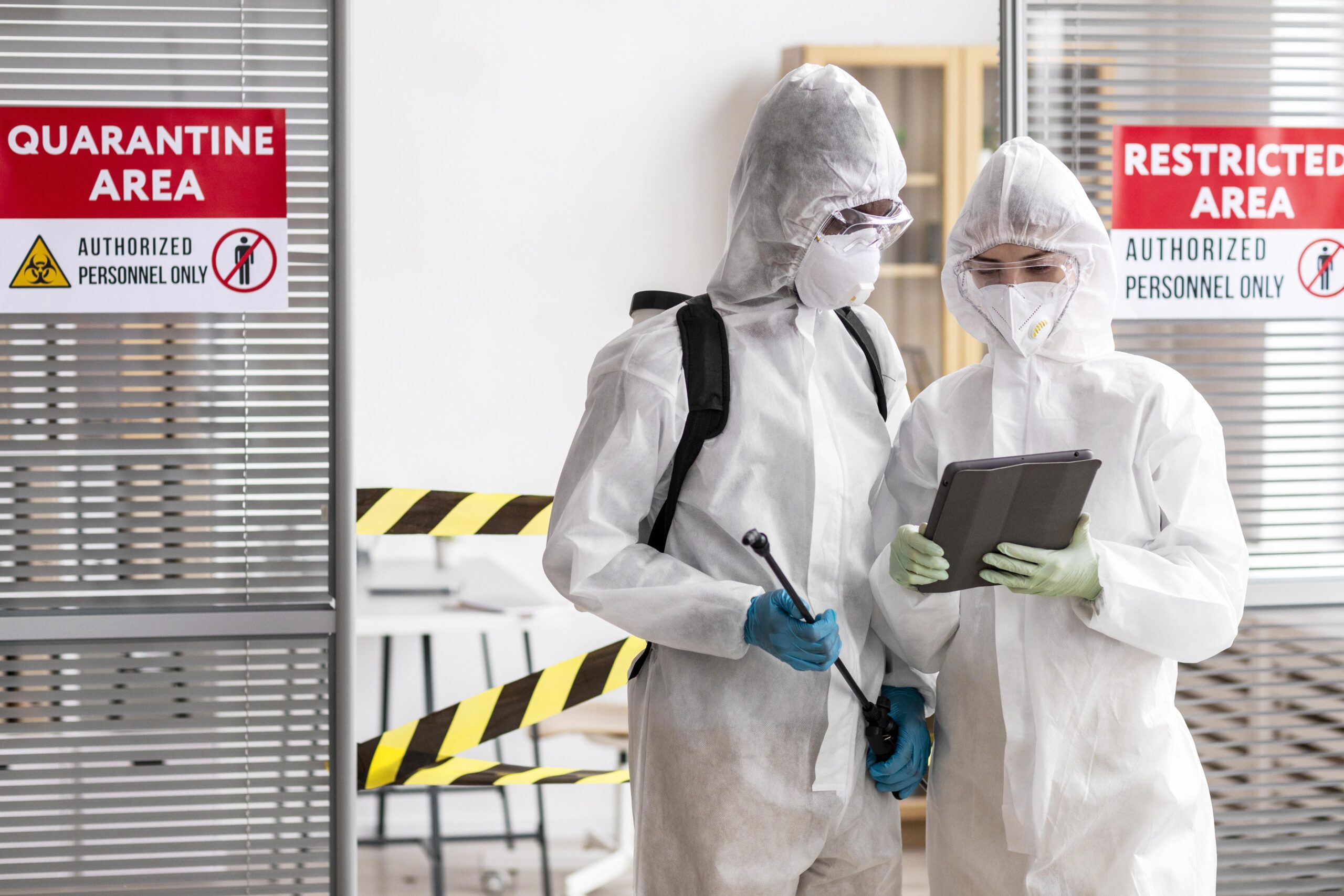
Identifying asbestlint requires caution and professional expertise. Because asbestos fibers are microscopic, they cannot be detected by sight alone. If asbestos-containing materials are suspected, it is crucial not to disturb them. Instead, contact a certified asbestos inspector or environmental testing service. Professionals use specialized equipment to collect air and material samples, which are then analyzed in accredited laboratories. Attempting to handle or test asbestos without proper training and protective gear can increase exposure risk. The safest approach is always to assume that any unknown fibrous material in older buildings could contain asbestos until proven otherwise.
6. Safe Removal and Disposal of Asbestlint
The removal of asbestlint and asbestos-containing materials must be carried out by licensed professionals following strict safety regulations. The process typically involves sealing off the contaminated area, using negative air pressure systems to prevent fiber spread, and wearing protective clothing and respirators. Wet removal methods are often used to minimize dust release. Once collected, asbestos waste is sealed in labeled, leak-proof containers and transported to approved hazardous waste facilities. Improper disposal of asbestlint can lead to environmental contamination and legal penalties. Homeowners should never attempt DIY asbestos removal, as even minimal exposure can have lifelong health consequences.
7. Preventing Exposure to Asbestlint
Preventing exposure to asbestlint begins with awareness and proper maintenance. If living or working in an older building, avoid disturbing materials that may contain asbestos. Regular inspections by qualified professionals can help identify potential risks before they become hazardous. During renovations, ensure that contractors are trained in asbestos safety and follow all legal guidelines. Using air purifiers with HEPA filters can help reduce airborne particles in enclosed spaces. Additionally, educating workers and residents about the dangers of asbestos and the importance of protective measures is key to minimizing exposure.
8. Legal Regulations and Worker Protection
Governments around the world have implemented strict regulations to control the handling of asbestlint and asbestos materials. In the UK, the Control of Asbestos Regulations 2012 outlines the responsibilities of employers, building owners, and contractors to manage asbestos safely. Similar laws exist in the United States under the Occupational Safety and Health Administration (OSHA) and the Environmental Protection Agency (EPA). These regulations require risk assessments, training, and proper disposal procedures. Workers in industries such as construction, demolition, and ship repair are particularly protected under these laws. Compliance not only ensures safety but also prevents costly fines and legal action.
9. The Future of Asbestlint Management
The future of asbestlint management lies in innovation, education, and stricter enforcement. Advances in technology are improving asbestos detection and removal methods, making them safer and more efficient. Awareness campaigns continue to educate the public about the lingering dangers of asbestos in older structures. Governments and environmental organizations are also working toward complete asbestos eradication through building renovation programs and stricter import bans. As society moves toward safer construction materials and sustainable practices, the goal is to eliminate the risks associated with asbestlint entirely.
Conclusion
Asbestlint remains one of the most serious environmental and occupational health hazards of the modern era. Though asbestos use has declined, its legacy continues to pose risks in older buildings and industrial sites. Understanding what asbestlint is, how it spreads, and how to manage it safely is essential for protecting public health. Through awareness, professional handling, and adherence to safety regulations, exposure can be minimized and future generations safeguarded. The fight against asbestos-related diseases begins with education and responsible action—ensuring that the deadly dust of the past does not endanger the future.
Frequently Asked Questions
1. What is asbestlint?
Asbestlint refers to the fine, airborne fibers released when asbestos-containing materials are disturbed or deteriorate. These fibers are hazardous when inhaled.
2. Why is asbestlint dangerous?
Asbestlint is dangerous because inhaling asbestos fibers can cause serious diseases such as asbestosis, lung cancer, and mesothelioma, often decades after exposure.
3. Where can asbestlint be found?
Asbestlint can be found in older buildings, especially in insulation, ceiling tiles, roofing materials, and cement products made before the 1980s.
4. How can I tell if my home has asbestlint?
You cannot identify asbestlint by sight. Only professional testing and laboratory analysis can confirm the presence of asbestos fibers.
5. What should I do if I suspect asbestos in my home?
Do not disturb the material. Contact a licensed asbestos inspector or removal specialist to assess and manage the situation safely.