Why “MaliaIsBanned” Is Trending: The Full Story, Meaning, and Online Reactions
The phrase “MaliaIsBanned” has recently taken over social media platforms, sparking curiosity, confusion, and heated debates. Whether seen on X (formerly Twitter), TikTok, or Reddit, the hashtag has become a viral sensation. Many users are asking what “MaliaIsBanned” means, who Malia is, and why this phrase has gained so much attention. This article explores the origins, reasons, and implications behind the trend, while also analyzing how such viral hashtags shape online culture and digital communities.
What Does “MaliaIsBanned” Mean?
The term “MaliaIsBanned” appears to refer to a situation where an individual named Malia—possibly a public figure, influencer, or gamer—has been banned from a platform or community. The phrase itself has become symbolic of online controversies, where bans or suspensions often lead to widespread speculation and viral discussions. In the digital age, being “banned” can mean anything from violating community guidelines to being caught in a misunderstanding that spirals out of control.
The hashtag’s popularity suggests that users are not only interested in the event itself but also in the broader conversation about fairness, censorship, and accountability on social media. The phrase “MaliaIsBanned” has evolved beyond a single incident, becoming a cultural reference point for how quickly online narratives can spread and transform.
The Origins of the “MaliaIsBanned” Trend
While the exact origin of the “MaliaIsBanned” trend remains unclear, it likely began with a specific incident involving a user or personality named Malia. Once the ban was announced or rumored, fans and critics alike began posting reactions, memes, and theories. Within hours, the hashtag gained traction, trending across multiple platforms.
This pattern is common in digital culture, where viral moments often emerge from small communities before exploding into mainstream attention. The speed at which “MaliaIsBanned” spread demonstrates how interconnected online spaces have become. A single post can ignite a global conversation, amplified by algorithms that prioritize engagement and controversy.
Why “MaliaIsBanned” Went Viral
Several factors contributed to the virality of “MaliaIsBanned.” First, the mystery surrounding the ban created intrigue. Users wanted to know what happened, leading to speculation and content creation. Second, the emotional reactions—ranging from outrage to humor—fueled engagement. Third, influencers and content creators began using the hashtag to attract attention, further amplifying its reach.
The phrase also taps into a broader cultural fascination with online justice and cancel culture. People are drawn to stories of bans and suspensions because they reflect larger questions about power, rules, and freedom of expression. In this sense, “MaliaIsBanned” is not just a trending topic—it’s a mirror of how digital communities negotiate morality and accountability.
The Impact of “MaliaIsBanned” on Online Communities
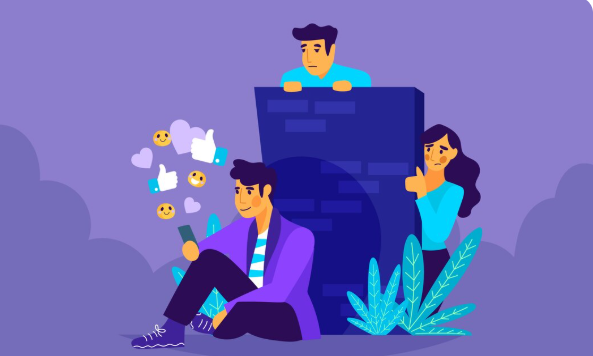
The “MaliaIsBanned” phenomenon highlights how quickly online communities can mobilize around a single event. Supporters of Malia may rally to defend her, while others may use the opportunity to criticize her actions or the platform’s policies. This polarization often leads to intense debates, misinformation, and even harassment.
At the same time, such trends reveal the power of collective voice. When users unite under a hashtag, they can influence public opinion and even pressure platforms to respond. The “MaliaIsBanned” trend underscores the importance of transparency in moderation decisions and the need for balanced discussions about digital ethics.
Lessons from the “MaliaIsBanned” Trend
The rise of “MaliaIsBanned” offers several lessons about online behavior and media literacy. First, it shows how easily misinformation can spread when users share content without verifying facts. Second, it demonstrates the emotional nature of digital discourse, where outrage often overshadows reason. Finally, it reminds audiences that behind every viral hashtag is a real person who may be affected by the attention.
Understanding these dynamics can help users engage more responsibly online. Instead of jumping to conclusions, it’s essential to seek credible sources and approach viral topics with empathy and critical thinking.
Conclusion
The “MaliaIsBanned” trend is more than just a fleeting hashtag—it’s a reflection of how digital culture operates in the age of instant communication. It reveals the power of social media to amplify stories, shape narratives, and influence public perception. Whether Malia’s ban was justified or not, the conversation surrounding it highlights the need for transparency, fairness, and accountability in online spaces. As the internet continues to evolve, trends like “MaliaIsBanned” will continue to remind users of the complex relationship between technology, community, and human behavior.
Frequently Asked Questions
1. Who is Malia in “MaliaIsBanned”?
The identity of Malia varies depending on the context. It could refer to a social media influencer, gamer, or public figure involved in a recent controversy.
2. Why did “MaliaIsBanned” go viral?
The hashtag went viral due to curiosity, speculation, and emotional engagement from users across multiple platforms.
3. Is “MaliaIsBanned” real or just a meme?
While it may have originated from a real event, the phrase has since taken on a life of its own as a meme and cultural reference.
4. What does the “MaliaIsBanned” trend say about social media?
It highlights how quickly information spreads online and how digital communities react to issues of censorship, fairness, and accountability.
5. How can users respond responsibly to viral trends like “MaliaIsBanned”?
By verifying information before sharing, avoiding harassment, and engaging in thoughtful discussions rather than spreading rumors or hate.