Boys Shoes: The Ultimate Guide to Comfort, Style, and Durability
Finding the perfect pair of boys shoes can be a challenge for parents who want to balance comfort, durability, and style. Boys are active by nature, constantly running, jumping, and exploring, which means their shoes must withstand daily wear and tear while supporting healthy foot development. The right pair of shoes not only enhances comfort but also promotes proper posture and movement. With so many options available—from sneakers and school shoes to sandals and boots—choosing the right footwear can feel overwhelming. This comprehensive guide explores everything parents need to know about boys shoes, including how to choose the right fit, the best materials, and the latest trends that combine practicality with fashion.
The Importance of Choosing the Right Boys Shoes
Shoes play a crucial role in a child’s physical development. Poorly fitted or low-quality shoes can lead to discomfort, blisters, and even long-term foot problems. Boys, in particular, need shoes that can handle high levels of activity while providing adequate support and cushioning. The right pair of shoes helps maintain balance, reduces the risk of injury, and encourages natural movement. Additionally, as children grow, their feet change rapidly, making it essential to measure their size regularly and replace shoes as needed. Investing in high-quality boys shoes ensures not only comfort but also the overall health and well-being of growing feet.
Types of Boys Shoes for Every Occasion
Boys need different types of shoes for various activities and occasions. Casual sneakers are perfect for everyday wear, offering flexibility and breathability for active play. School shoes are designed for durability and comfort, often made from leather or synthetic materials that can withstand daily use. Sports shoes provide specialized support for athletic activities, with features like shock absorption and non-slip soles. Sandals are ideal for warm weather, allowing ventilation while keeping feet protected. Boots, on the other hand, are great for colder months, offering warmth and stability. Having a variety of shoes ensures that boys are prepared for every season and activity, from playground adventures to formal events.
Key Features to Look for in Boys Shoes
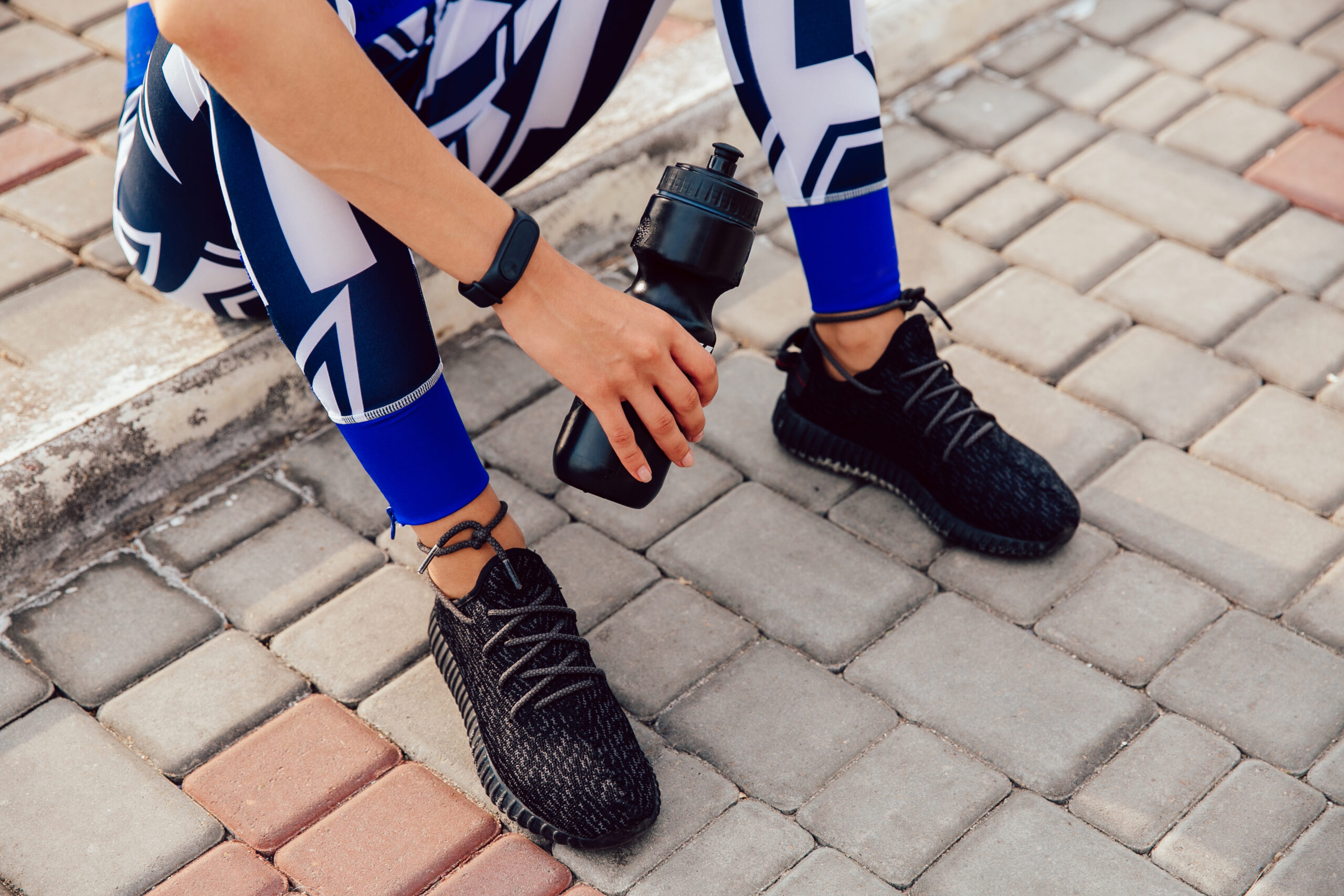
When shopping for boys shoes, several features should be prioritized to ensure comfort and longevity. Fit is the most important factor—shoes should have enough room for toes to move freely without slipping at the heel. Material also matters; breathable fabrics like mesh or leather help prevent sweating and odor. Cushioning in the midsole provides shock absorption, while arch support promotes proper alignment. Non-slip soles are essential for safety, especially for younger children who are still developing coordination. Additionally, easy closures such as Velcro straps or elastic laces make it simple for boys to put on and remove their shoes independently. These features combine to create footwear that supports both comfort and confidence.
The Role of Materials in Comfort and Durability
The material of a shoe determines its comfort, breathability, and lifespan. Leather is a classic choice for boys shoes because it’s durable, flexible, and molds to the shape of the foot over time. Mesh and knit fabrics are lightweight and breathable, making them ideal for sports and casual wear. Rubber soles provide excellent traction and durability, while memory foam insoles enhance comfort during long hours of wear. For eco-conscious parents, many brands now offer sustainable materials such as recycled fabrics and plant-based leathers. Choosing the right material ensures that the shoes remain comfortable, stylish, and long-lasting, even with daily use.
Popular Styles and Trends in Boys Shoes
Fashion trends in boys shoes have evolved to combine functionality with modern design. Athleisure-inspired sneakers are among the most popular choices, blending sporty aesthetics with everyday comfort. Slip-on shoes have gained popularity for their convenience and sleek look, while high-top sneakers offer ankle support and a trendy edge. For school and formal occasions, classic loafers and lace-up shoes remain timeless options. Bright colors, bold patterns, and character-themed designs appeal to younger boys, while older kids often prefer minimalist styles in neutral tones. The latest trend also includes shoes with smart features, such as memory foam soles and water-resistant coatings, ensuring both practicality and style.
How to Find the Perfect Fit
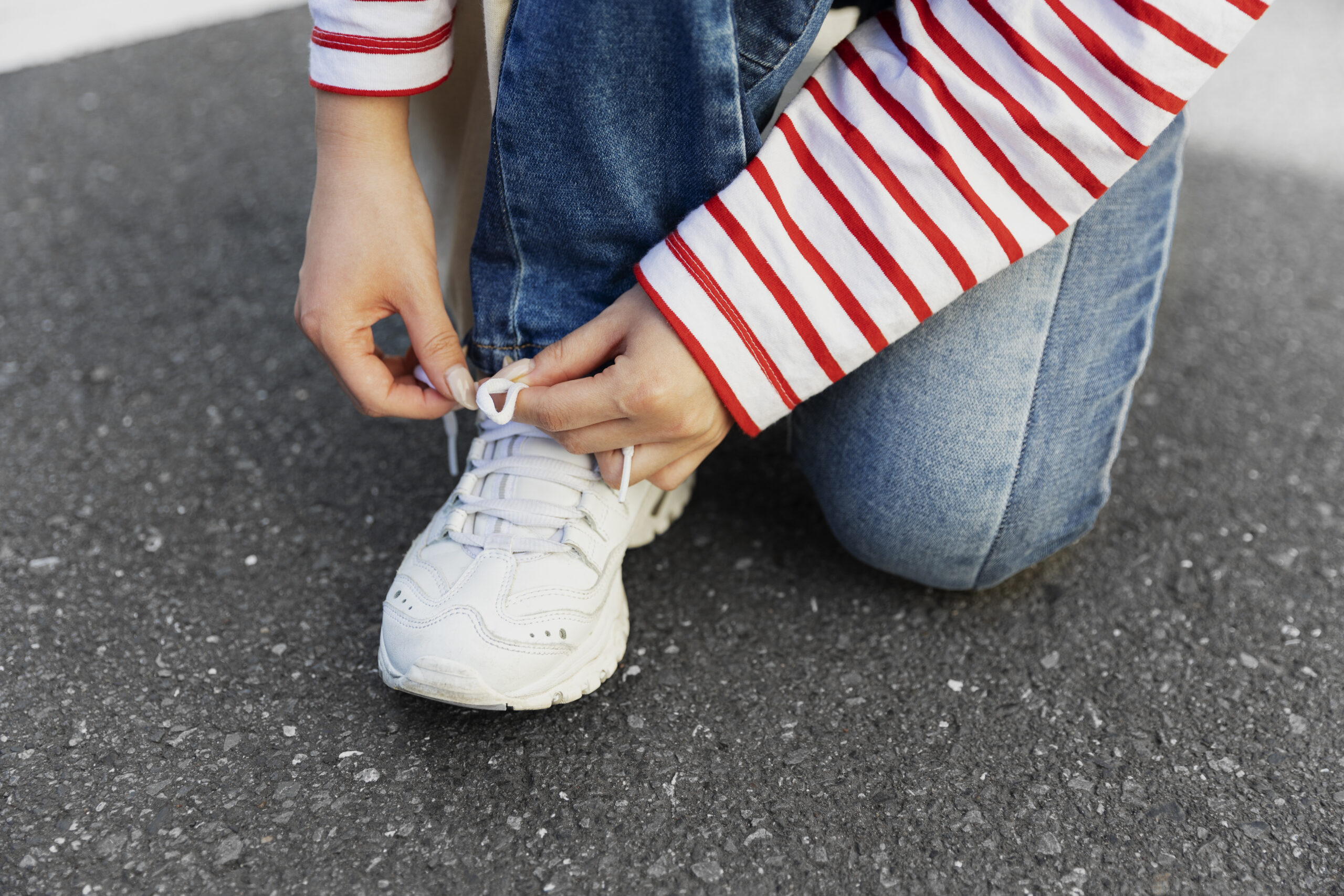
Getting the right fit is essential for growing feet. Parents should measure their child’s feet every few months, as boys’ feet can grow quickly. Shoes should have about half an inch of space between the longest toe and the front of the shoe to allow for growth. It’s also important to check the width, as some boys have wider or narrower feet that require specific sizing. When trying on shoes, ensure that the child walks around to test comfort and flexibility. Avoid buying shoes that are too large in hopes they’ll “grow into them,” as this can cause tripping and discomfort. A well-fitted shoe supports natural movement and prevents foot strain.
Caring for Boys Shoes
Proper care extends the life of boys shoes and keeps them looking new. Regular cleaning removes dirt and prevents odor buildup. For leather shoes, use a damp cloth and mild soap, followed by a conditioner to maintain softness. Mesh or fabric shoes can often be cleaned with a gentle brush or placed in a washing bag for machine washing. Always air dry shoes instead of using direct heat, which can damage materials. Rotating between multiple pairs of shoes also helps them last longer by allowing each pair to air out between uses. Teaching boys to care for their shoes instills responsibility and ensures they always look their best.
Conclusion
Choosing the right boys shoes is about more than just style—it’s about supporting healthy growth, comfort, and confidence. With so many options available, parents can find shoes that meet every need, from school and sports to casual play. Prioritizing fit, material quality, and durability ensures that each pair provides the right balance of protection and performance. As trends evolve, boys can enjoy footwear that reflects their personality while keeping up with their active lifestyles. Investing in high-quality boys shoes is an investment in comfort, health, and long-term value, helping every step they take be strong, safe, and stylish.
Frequently Asked Questions (FAQ)
1. How often should boys’ shoes be replaced?
Boys’ shoes should typically be replaced every 4 to 6 months, depending on growth and wear. Signs like worn soles, tightness, or discomfort indicate it’s time for a new pair.
2. What are the best materials for boys shoes?
Leather, mesh, and knit fabrics are excellent choices. Leather offers durability, while mesh and knit materials provide breathability and flexibility for active play.
3. How can I tell if my child’s shoes fit properly?
There should be about half an inch of space between the longest toe and the shoe’s front. The heel should fit snugly without slipping, and the shoe should feel comfortable when walking.
4. Are Velcro shoes better than lace-up shoes for boys?
Velcro shoes are great for younger boys who are still learning to tie laces, offering convenience and independence. Lace-up shoes provide a more secure fit for older children.
5. What are the best brands for boys shoes?
Popular brands include Nike, Adidas, Skechers, Clarks, and Stride Rite, all known for their quality, comfort, and stylish designs suitable for different activities and age groups.